App icon
Dutibook
Book Home Services instantly

Helping you get more done

Stay updated with expert home maintenance tips, service guides, seasonal care advice, and the latest updates from our home service professionals—all in one place.

We found 22 articles for you

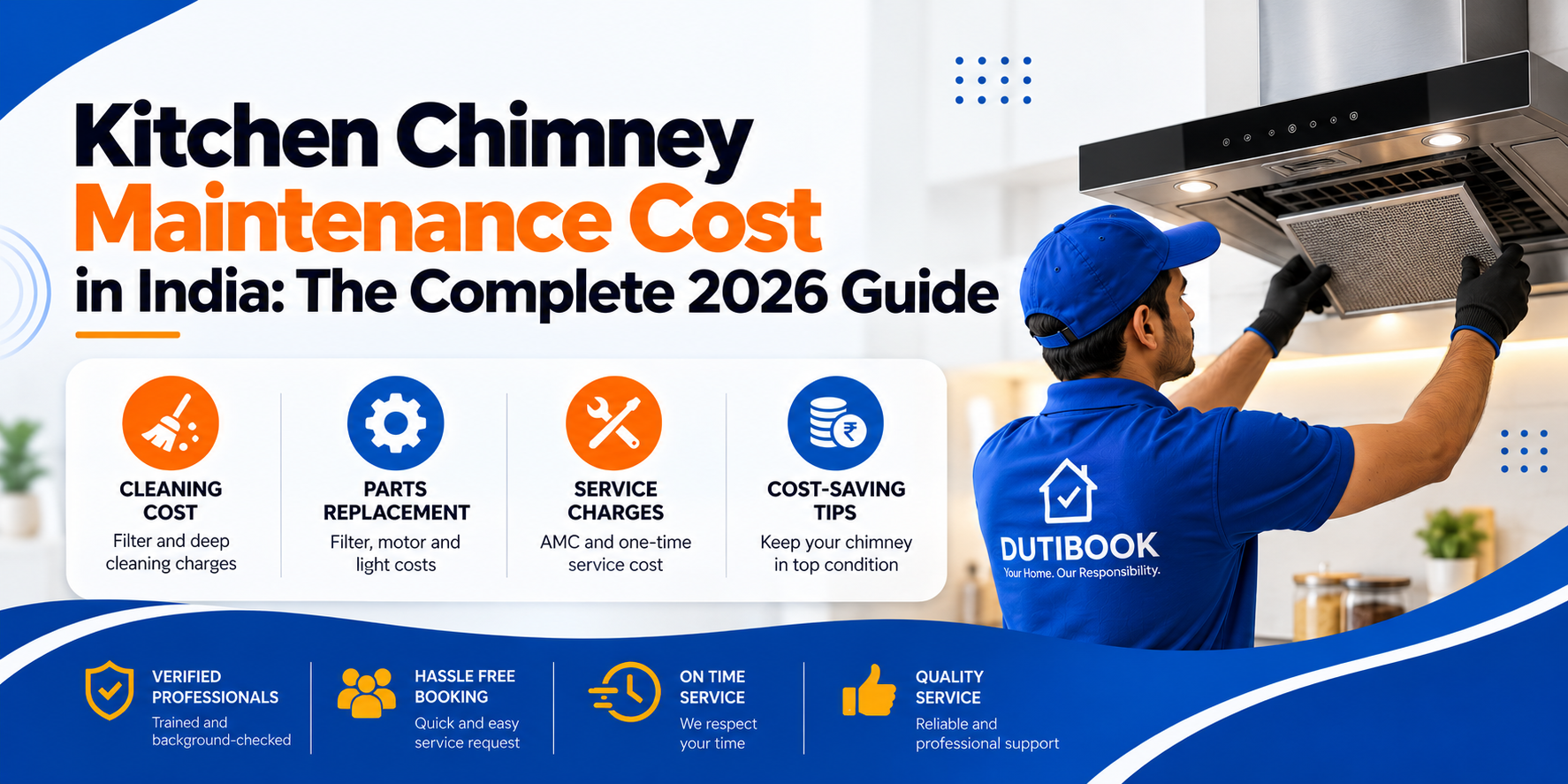
Kitchen Chimney Maintenance Cost in India: The Complete 2026 Guide
By Dutibook

Kitchen Chimney Maintenance Cost in India: The Complete 2026 Guide

The maintenance cost of kitchen chimney in India typically ranges from ₹400 to ₹900 for a basic oil wash, ₹1,500 to ₹2,500 for a deep chemical wash, and ₹3,000...

Quick Answer The maintenance cost of kitchen chimney in India typically ranges from ₹400 to ₹900 for a basic oil wash, ₹1,500 to ₹2,500 for a deep chemical wash, and ₹3,000 to ₹8,000 a year if you opt for an annual maintenance contract (AMC) with 2-3 services included. The actual kitchen chimney service cost depends on your chimney type (baffle filter vs. auto-clean), how often you cook, and whether you need just cleaning or actual repair work like motor or wiring issues. Most experts recommend professional cleaning every 3-6 months, depending on cooking frequency. Why Kitchen Chimney Maintenance Matters A kitchen chimney's entire job is to pull smoke, grease, and odour out of your kitchen air. Over time, grease builds up inside the filters and ducting — and once that happens, the chimney has to work harder, gets noisier, and eventually stops performing at all. Regular...
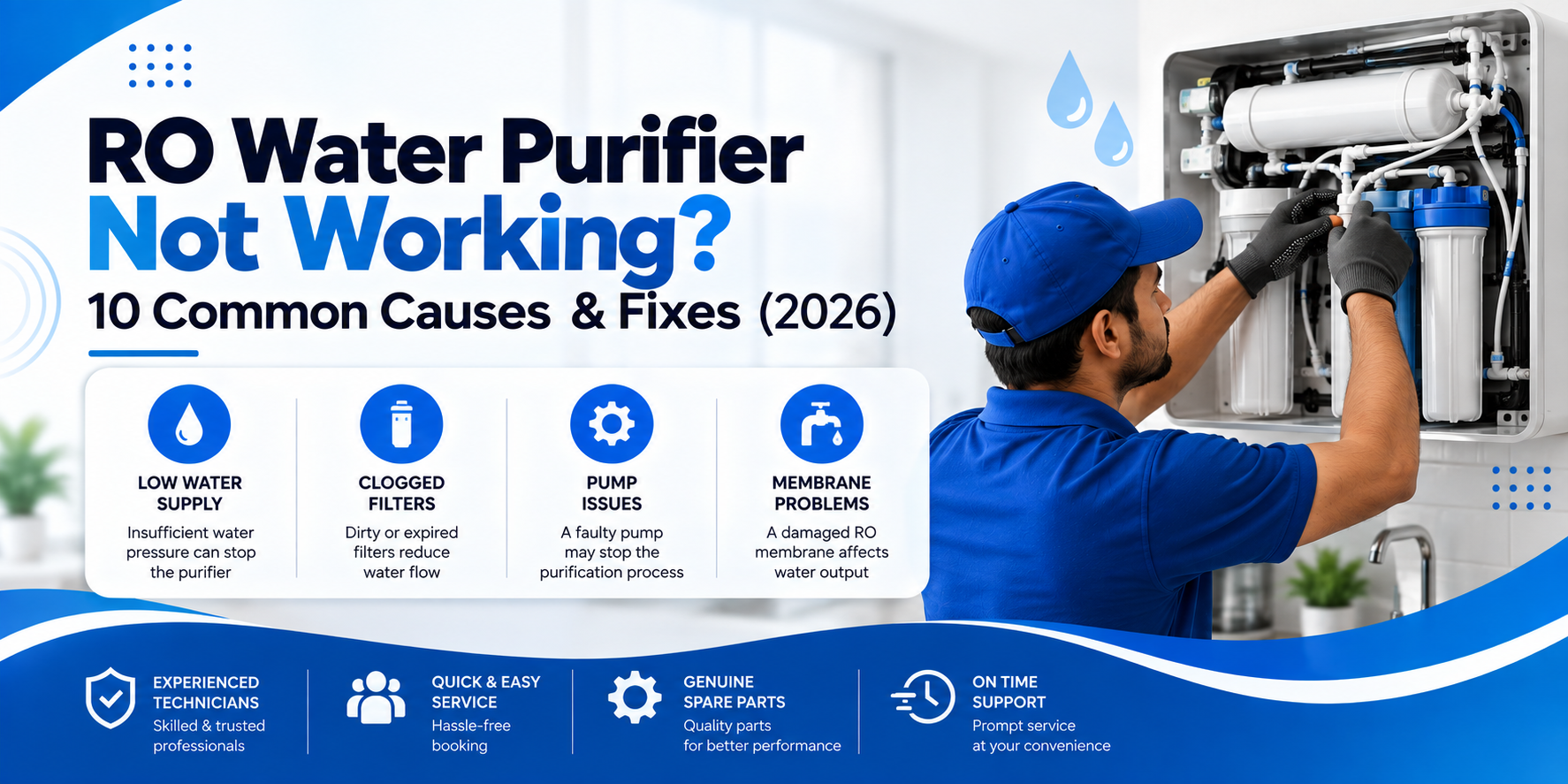
RO Water Purifier Not Working? 10 Common Causes & Fixes (2026)
By Dutibook

RO Water Purifier Not Working? 10 Common Causes & Fixes (2026)

If your RO water purifier is not working, the most common causes are a closed or low inlet water tap, clogged pre-filters, a faulty booster pump, or a blocked R...

Quick Answer If your RO water purifier is not working, the most common causes are a closed or low inlet water tap, clogged pre-filters, a faulty booster pump, or a blocked RO membrane. Around 15% of dispensing failures also come from simple power issues, like a loose plug or a tripped circuit breaker. Most of these problems can be checked safely at home in a few minutes. But some parts — the membrane housing, the pump, and any electrical component — should never be opened yourself. This guide walks you through what to check, what it means, and when to call a professional. Why Your RO Purifier Suddenly Stops Working An RO (Reverse Osmosis) water purifier is a simple system at its core. Water flows in from your tap, passes through a few filters, gets pushed through a membrane by a small pump, and comes out clean on the other side. When any single part of that chain get...

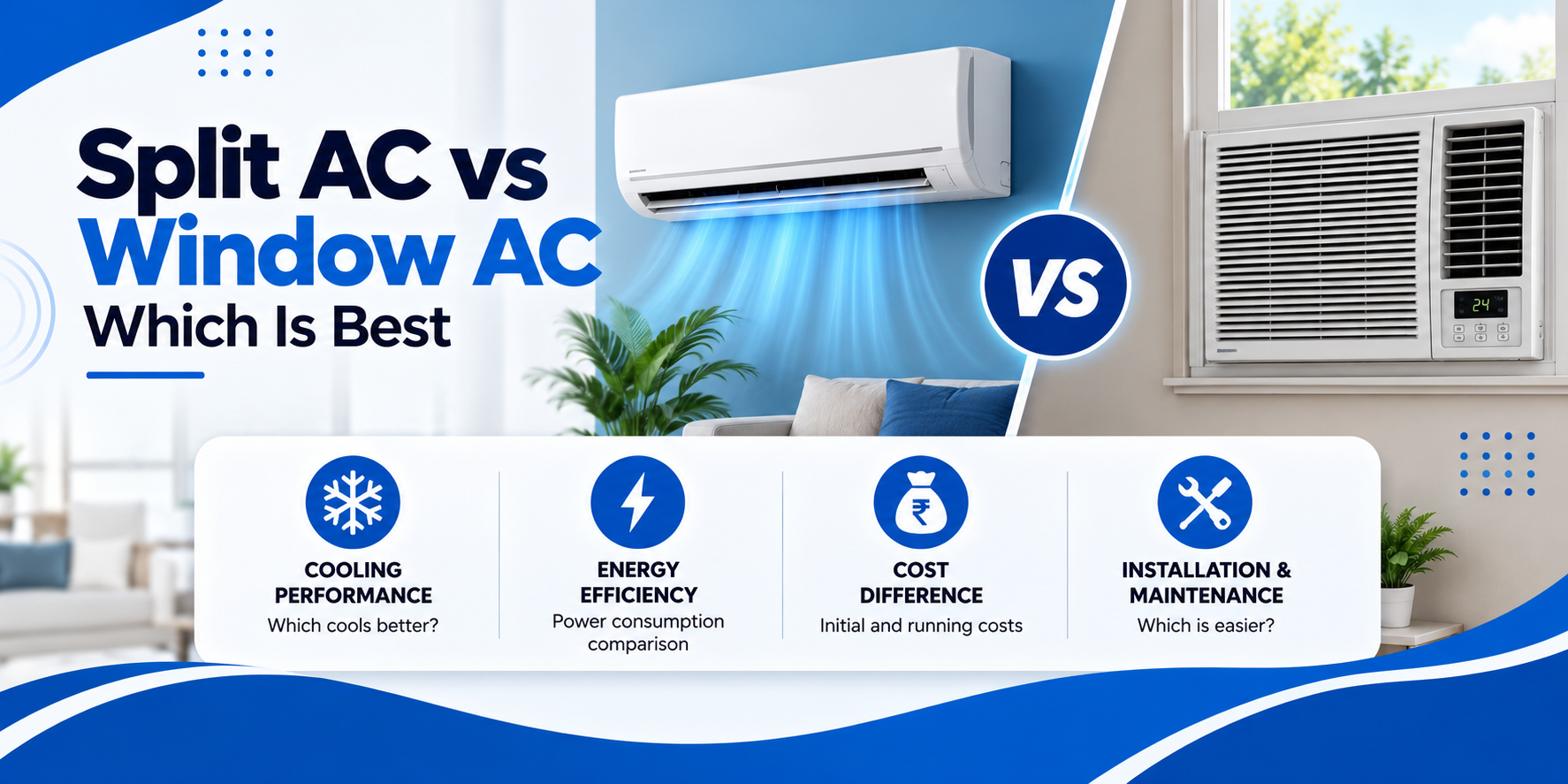
Split AC vs Window AC: Which Is Best for Your Home in 2026?
By Dutibook

Split AC vs Window AC: Which Is Best for Your Home in 2026?

Buying an air conditioner in India is a decision most families make once every 8-10 years — and with two very different designs on the market, it's ea...

Introduction Buying an air conditioner in India is a decision most families make once every 8-10 years — and with two very different designs on the market, it's easy to get stuck comparing specs without a clear answer. The split AC vs window AC question comes down to a few real, measurable factors: how much electricity each one uses, how much they cost upfront, how well they cool a room, and how easy they are to install in your specific home. This guide breaks down all of it, using real numbers, so you can decide with confidence rather than guesswork. Quick Answer Split AC is generally the better choice for most Indian homes — it uses less electricity (thanks to inverter compressor technology), cools a room more evenly, and runs quieter, since its compressor sits outside. Window AC remains the better choice if you're renting, have a tight budget, or need to c...

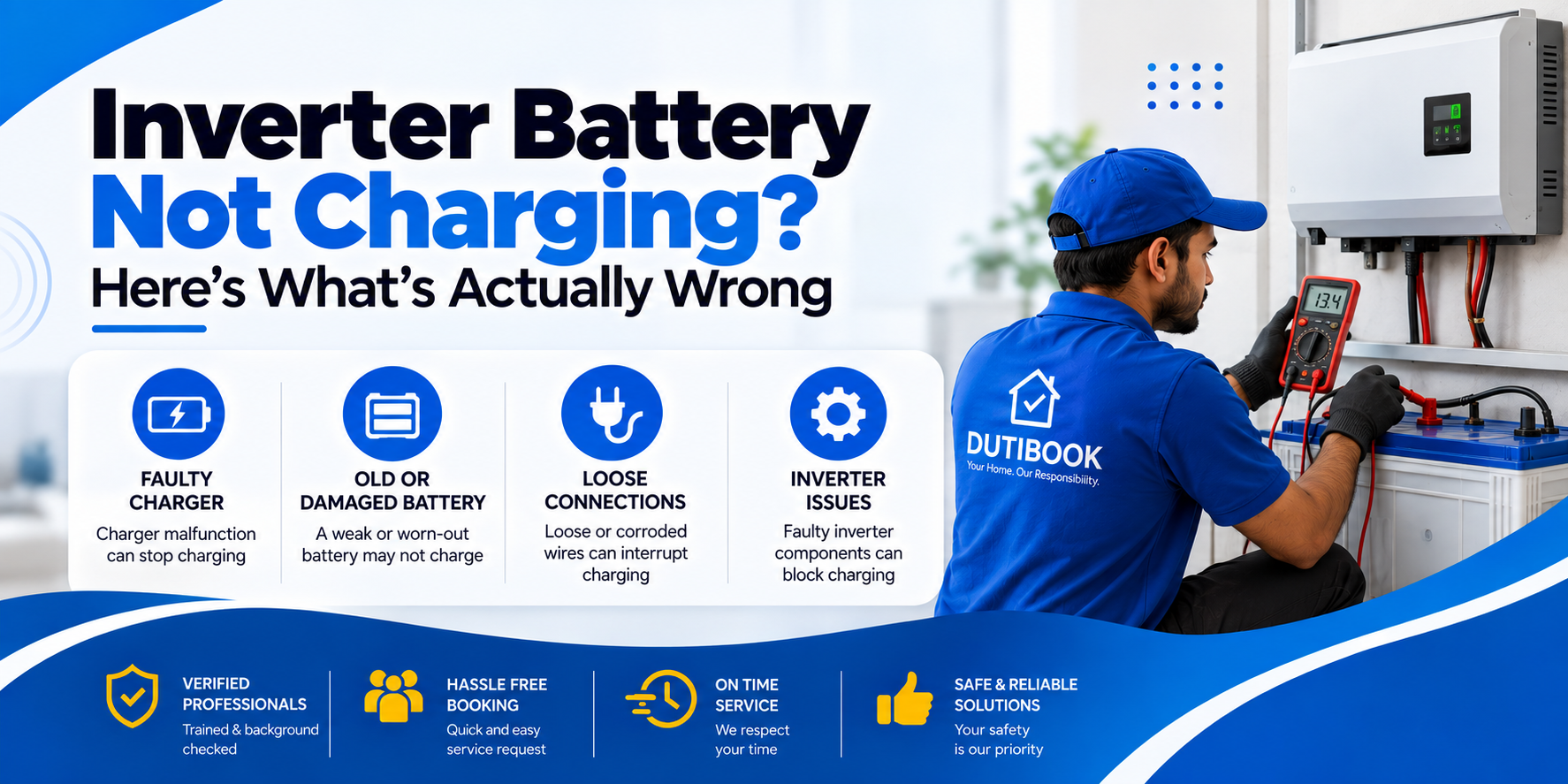
Inverter Battery Not Charging? Here's What's Actually Wrong
By Dutibook

Inverter Battery Not Charging? Here's What's Actually Wrong

If your inverter battery is not charging, the most common cause — by far — is a low or dry water level in the battery cells, which is easy to check...

Quick Answer If your inverter battery is not charging, the most common cause — by far — is a low or dry water level in the battery cells, which is easy to check and fix yourself with distilled water. Other common causes include corroded terminals, sulphation (lead deposits on the plates from prolonged undercharging), a blown fuse, or a failing charging circuit. If you recently topped up the water and it's still not charging properly, the underlying issue may be something water alone can't fix — like an old battery or a charger problem. Here's how to tell the difference. The One Thing Most People Get Wrong About "Charging Complete" Before troubleshooting, understand this: your inverter's charging light measures voltage, not how much energy is actually stored. A healthy battery takes hours to climb to full voltage as it genuinely fills u...

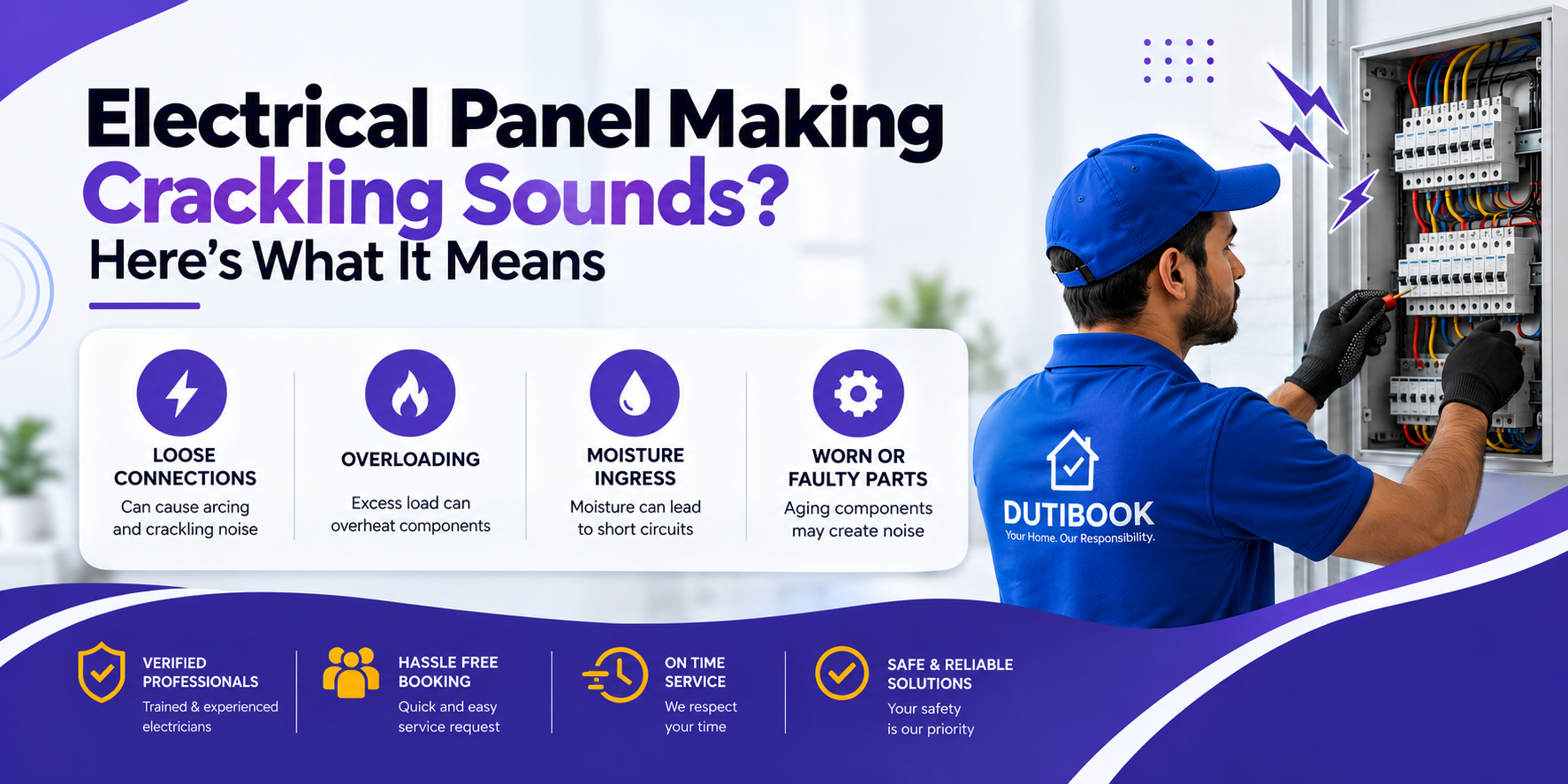
Electrical Panel Making Crackling Sounds? Here's What It Means
By Dutibook

Electrical Panel Making Crackling Sounds? Here's What It Means

A crackling, sizzling, or popping sound from your electrical panel usually means electrical arcing or a loose connection — and it's a genuine fire haz...

Quick Answer A crackling, sizzling, or popping sound from your electrical panel, often described as an electrical panel making crackling sounds, usually means electrical arcing or a loose connection. This is a genuine fire hazard, not something to wait on. Unlike a faint, steady hum, which can be normal under heavy appliance load, crackling means electricity is jumping between connections and generating dangerous heat. Do not open the panel or attempt any repair yourself. If you notice crackling along with a burning smell, sparks, heat, or scorch marks, switch off the main power if you can safely reach it, and call a licensed electrician immediately. Is a Crackling Electrical Panel Dangerous? Yes — crackling and sizzling sounds are one of the more serious warning signs an electrical panel can give you. Here's why this specific sound matters more than others: A...

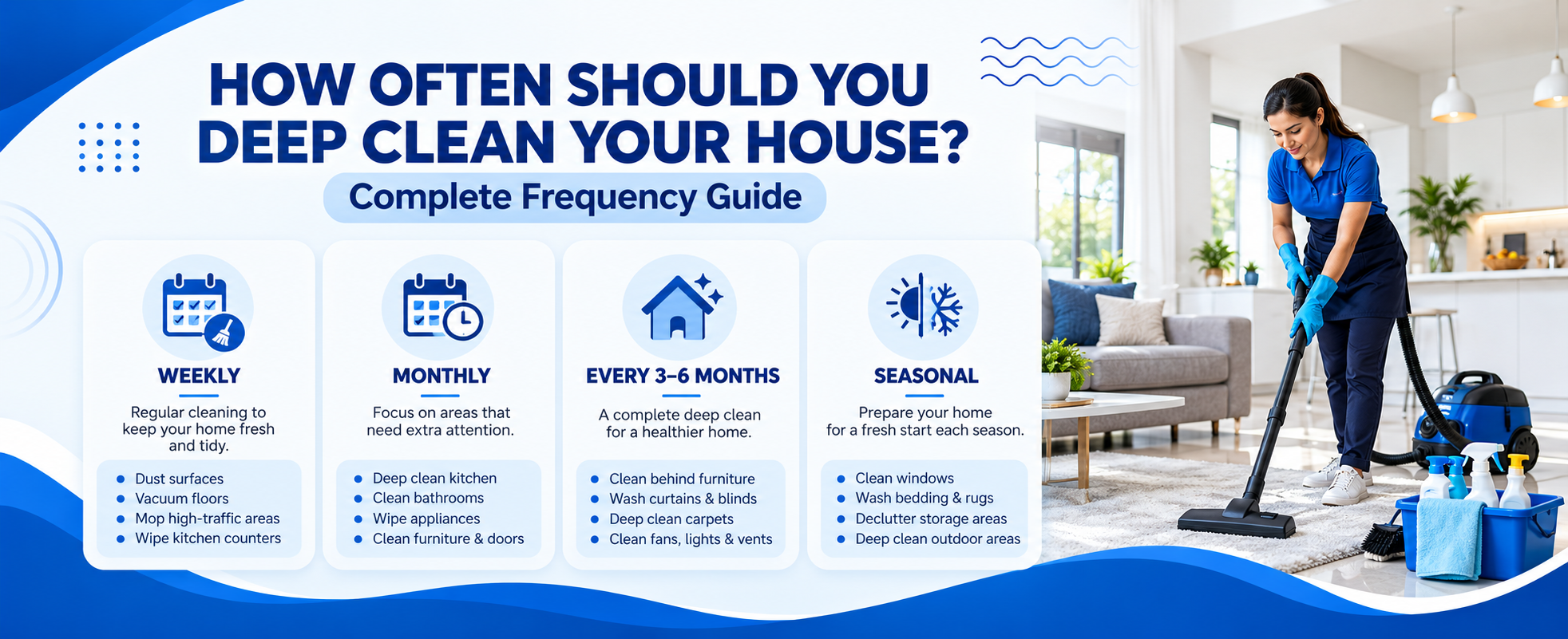
How Often Should You Deep Clean Your House? Complete Frequency Guide
By Dutibook

How Often Should You Deep Clean Your House? Complete Frequency Guide

Most homes need a full deep clean every 3 to 6 months, with high-traffic areas like the kitchen and bathroom receiving extra attention each month. If you are wo...

Quick Answer Most homes need a full deep clean every 3 to 6 months, with high-traffic areas like the kitchen and bathroom receiving extra attention each month. If you are wondering how often should you deep clean your house, this frequency provides a practical starting point. This is different from regular cleaning, such as dusting, mopping, and wiping surfaces, which should be done weekly or biweekly. The ideal frequency depends on factors such as pets, allergies, the number of people in your home, and the level of dust or pollution in your local area. In cities like Gurgaon, where dust and construction activity are common, many households benefit from deep cleaning closer to every 3 months rather than every 6 months. Regular Cleaning vs. Deep Cleaning: What's the Real Difference? People often use these terms interchangeably, but they're genuinely different jobs....

Electrical Safety During the Rainy Season: A Home Safety Guide
By Dutibook

Electrical Safety During the Rainy Season: A Home Safety Guide

The monsoon brings relief from the heat, but it also raises the risk of electric shocks, short circuits, and appliance damage in Indian homes. Water leakage, da...

The monsoon brings relief from the heat, but it also raises the risk of electric shocks, short circuits, and appliance damage in Indian homes. Water leakage, damp walls, and voltage fluctuations make electrical safety during the rainy season something every household should take seriously. This guide explains the common hazards, practical precautions, warning signs of danger, and exactly when to call a professional, with safety prioritized over DIY at every step. Quick Answer To stay safe during the monsoon, keep electrical points and appliances away from water, ensure your home has working earthing and an ELCB/RCCB, never touch switches or plugs with wet hands, and fix any damp patches near wiring quickly. If you notice tingling from taps or appliances, tripping, sparking, or a burning smell, switch off the main supply and call a licensed electrician immediately. Water and el...

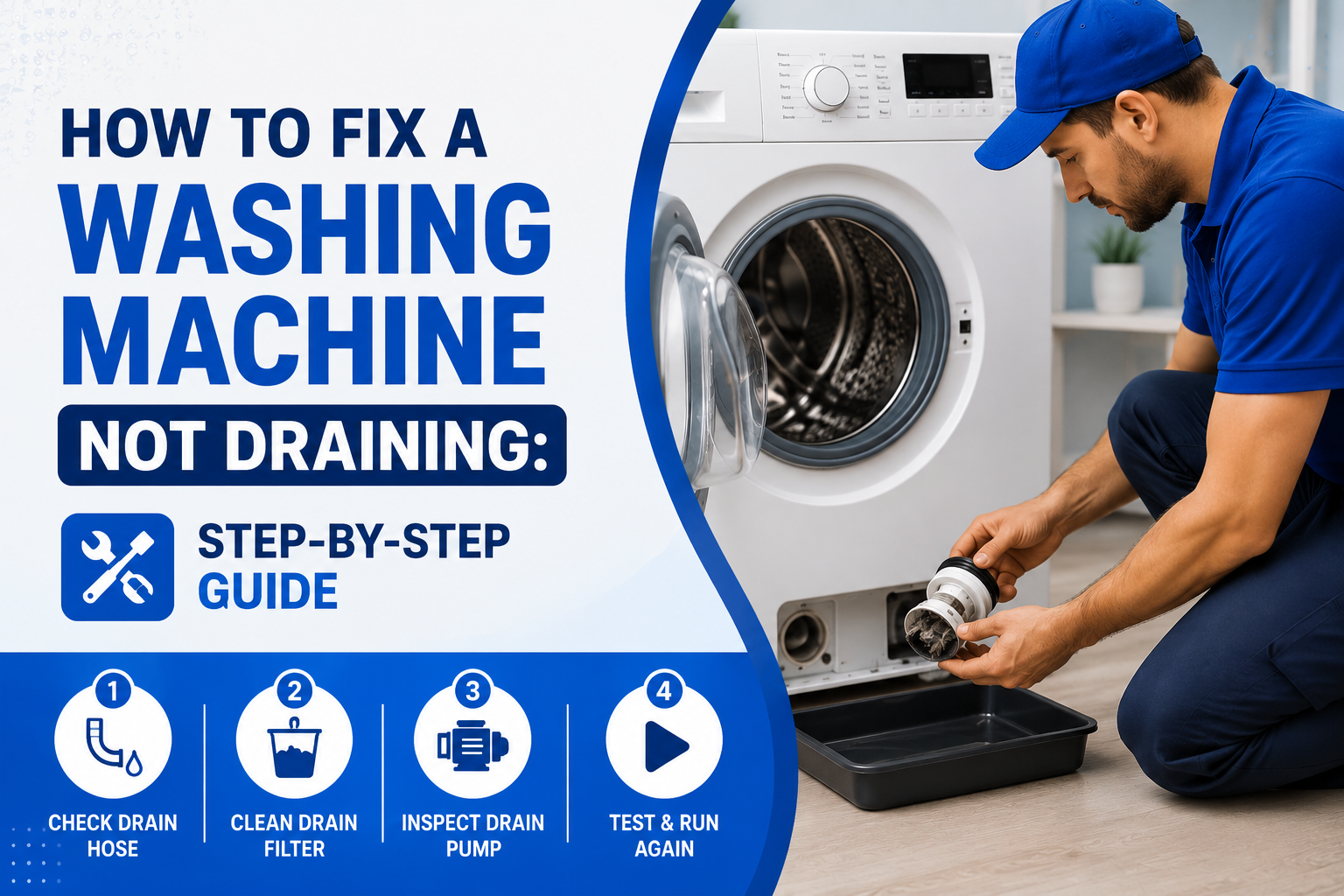
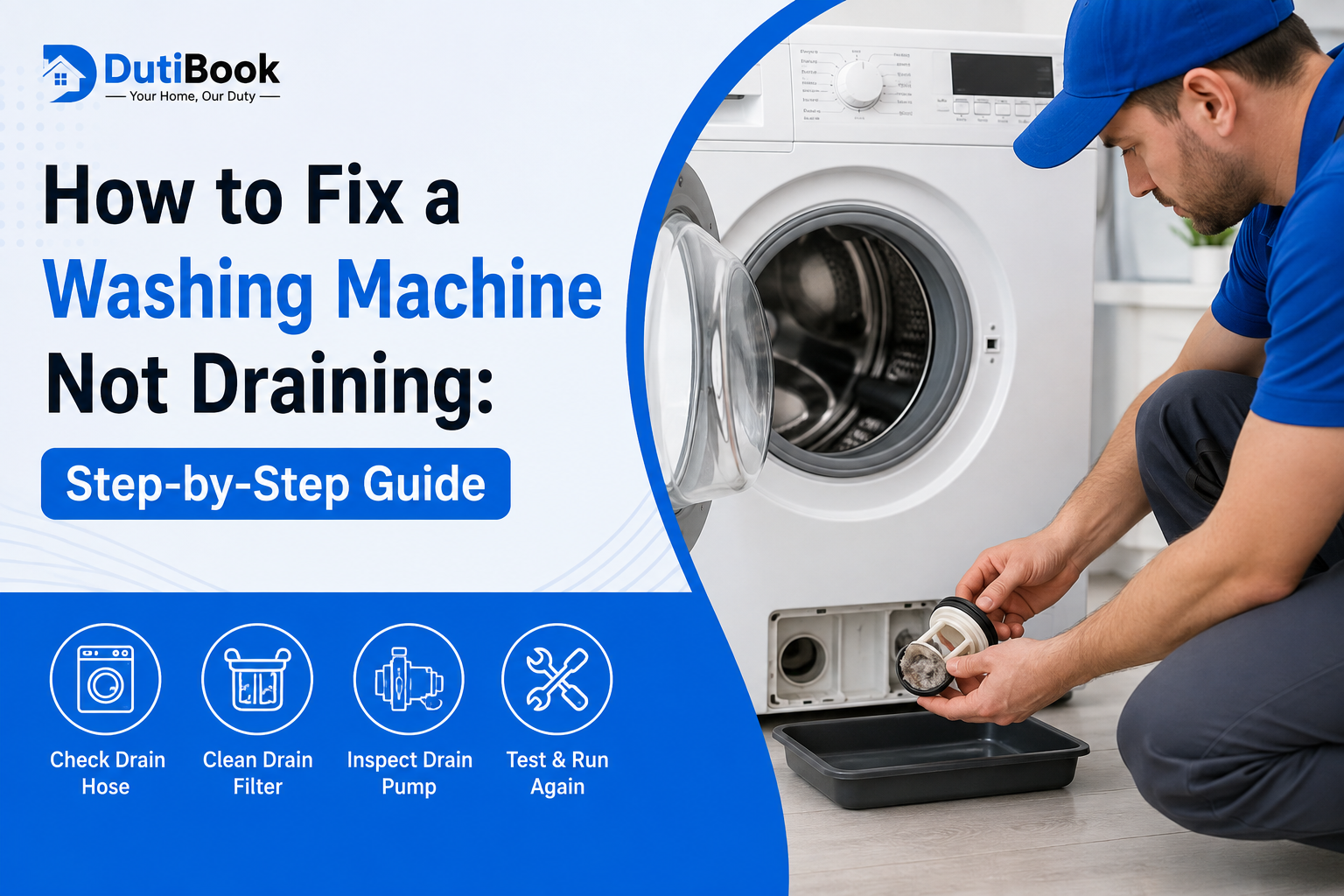
How to Fix a Washing Machine Not Draining: Step-by-Step Guide
By Dutibook

How to Fix a Washing Machine Not Draining: Step-by-Step Guide

You open the washer after a cycle and find it full of dirty water or clothes that are soaking wet and won't spin. A washing machine not draining is one of t...

You open the washer after a cycle and find it full of dirty water or clothes that are soaking wet and won't spin. A washing machine not draining is one of the most common appliance problems in Indian homes, and the good news is that many causes are simple to check yourself. This guide explains how to fix a washing machine not draining in a logical order, with clear steps and safety notes on when to stop and call a professional. Quick Answer If your washing machine is not draining, the usual causes are a clogged drain filter, a blocked or kinked drain hose, or a jammed drain pump. Start by switching off the power, then check the drain filter for lint and coins, straighten and clear the drain hose, and make sure the drain outlet isn't blocked. If water still won't drain after these checks, the drain pump or control board may have failed and needs a technician....

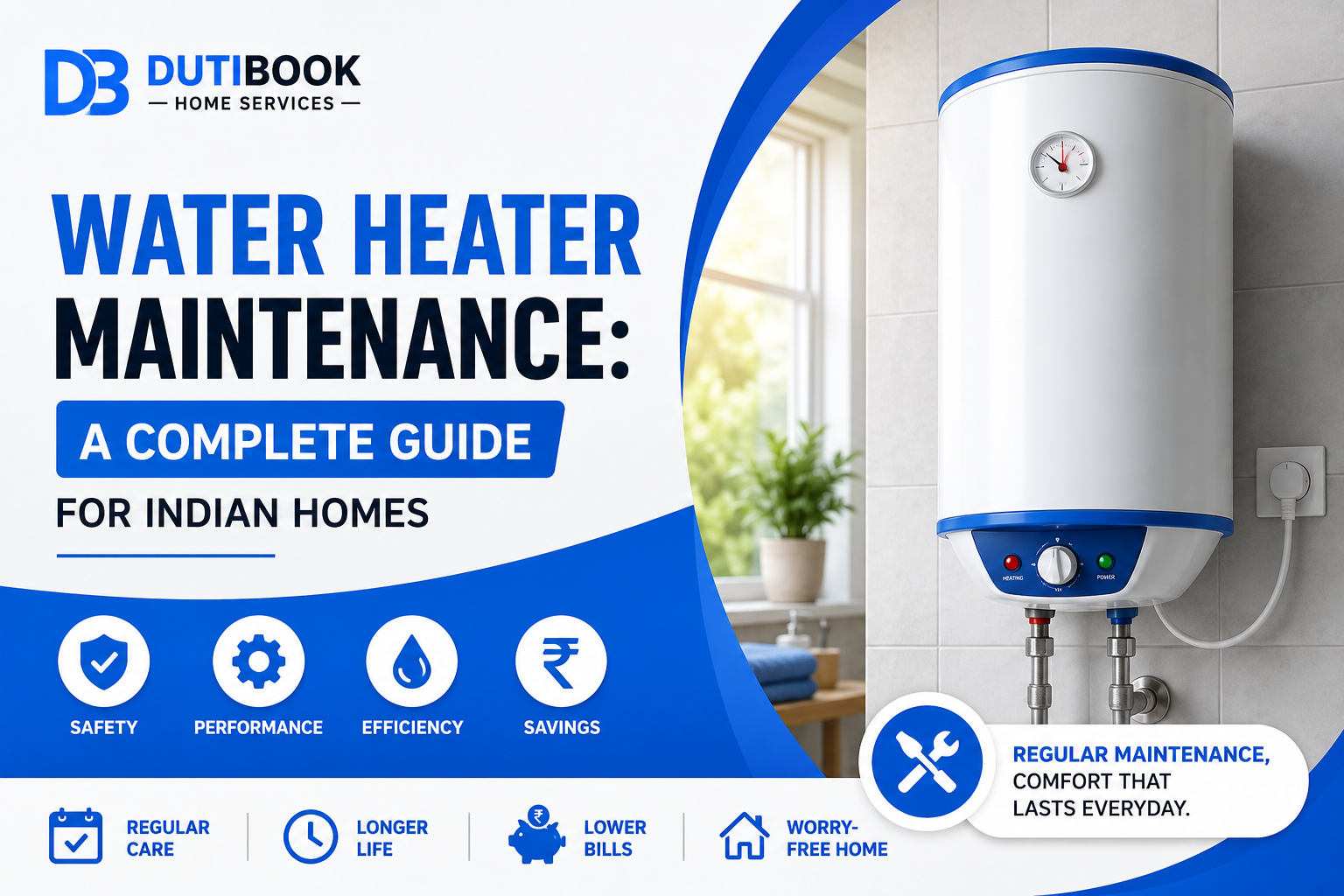
Water Heater Maintenance: A Complete Guide for Indian Homes
By Dutibook

Water Heater Maintenance: A Complete Guide for Indian Homes

A geyser is one of those appliances you never think about until it stops heating on a cold morning. Regular water heater maintenance keeps it running safely, he...

A geyser is one of those appliances you never think about until it stops heating on a cold morning. Regular water heater maintenance keeps it running safely, heating faster, and lasting longer, while cutting the risk of a sudden breakdown or a costly replacement. This guide covers what maintenance actually involves, a simple checklist, warning signs to watch for, servicing costs, and when to call a professional. Quick Answer Water heater maintenance mainly involves periodic descaling, checking the heating element and thermostat, testing the safety valve, and flushing sediment from the tank. For most Indian homes, a geyser should be professionally serviced once a year, ideally before winter. Homes with hard water may need servicing more often because scaling builds up faster. Professional servicing usually costs around ₹300 to ₹600, excluding parts. Why Water Heater Maintena...

How can I help you?